
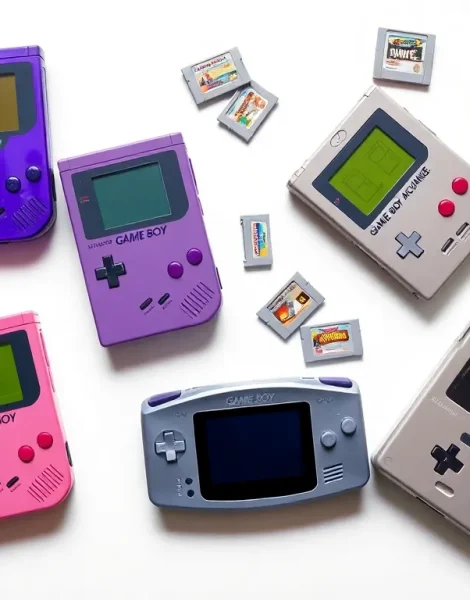
The best Game Boy depends on what matters most: nostalgia, game library, or display quality. Nintendo’s handheld lineup spans three decades and several distinct models, each with loyal fans and specific strengths. Whether collectors want an original 1989 brick or a backlit Game Boy Advance SP, the right choice comes down to personal priorities. This guide breaks down the key differences between models, highlights the most collectible versions, and offers practical advice for buying a Game Boy in 2025.
Table of Contents
ToggleKey Takeaways
- The best Game Boy depends on your priorities—nostalgia seekers favor the original 1989 model, while those wanting superior display quality should choose the backlit GBA SP (AGS-101).
- The Game Boy Advance SP AGS-101 offers the best official screen Nintendo ever made and sells for $150–$250 in 2025.
- Always inspect screen condition, battery compartment corrosion, and button response before buying a used Game Boy.
- IPS screen mods can transform older Game Boys into backlit devices with dramatically improved playability for $150–$200.
- Rare variants like the Japan-exclusive Game Boy Light and limited-edition colors command premium collector prices.
- Modern alternatives like the Analogue Pocket ($220+) play original cartridges, while emulation devices offer a budget-friendly option under $100.
Original Game Boy vs. Game Boy Color vs. Game Boy Advance
Nintendo released three main Game Boy generations, and each brought meaningful upgrades. Understanding these differences helps buyers pick the best Game Boy for their needs.
Original Game Boy (1989)
The original Game Boy launched with a green-tinted monochrome screen and impressive battery life. It runs on four AA batteries and can last 15-30 hours on a single set. The device feels chunky by modern standards, but its durability became legendary. Kids dropped these things constantly, and they kept working.
The original Game Boy plays DMG cartridges only. Its library includes classics like Tetris, Pokémon Red and Blue, and The Legend of Zelda: Link’s Awakening. Screen visibility presents challenges, players often needed direct light to see clearly.
Game Boy Color (1998)
The Game Boy Color added a color display while maintaining backward compatibility with original Game Boy games. Battery life dropped slightly to around 10-20 hours on two AA batteries. The smaller form factor made it more portable than its predecessor.
Game Boy Color introduced exclusive titles that took advantage of the color palette. Pokémon Crystal, The Legend of Zelda: Oracle games, and Dragon Quest Monsters showcase the system’s capabilities. The screen still lacks backlighting, which frustrates some players.
Game Boy Advance (2001)
The Game Boy Advance represents a significant leap in processing power. Its wider screen displays 32-bit graphics that rival early Super Nintendo games. The horizontal design feels comfortable during long play sessions.
The best Game Boy Advance titles include Metroid Fusion, Final Fantasy Tactics Advance, and the Pokémon Ruby/Sapphire generation. The original GBA model shares the same backlight problem as earlier versions. Nintendo addressed this with the GBA SP in 2003, which featured a front-lit (and later backlit) screen.
Top Game Boy Models Worth Collecting
Some Game Boy variants command premium prices due to rarity, special editions, or superior features. These models attract serious collectors.
Game Boy Advance SP (AGS-101)
The AGS-101 model features a true backlit screen, the best official display Nintendo ever put in a Game Boy. Prices have climbed steadily as collectors recognize its superiority. Expect to pay $150-$250 for a clean example. This model folds shut, protecting the screen during transport.
Game Boy Light (Japan Only)
Nintendo released the Game Boy Light exclusively in Japan in 1998. It added an electroluminescent backlight to the original Game Boy form factor. Collectors prize this rare model, with prices often exceeding $200 for loose units.
Game Boy Micro
The smallest Game Boy ever made, the Micro fits in a pocket easily. Its backlit screen looks sharp even though the tiny size. It only plays GBA games, no backward compatibility here. Limited production runs and face plates make certain colors highly collectible.
Special Edition Variants
Nintendo released dozens of limited-edition Game Boy consoles. The Pikachu Game Boy Color, Toys “R” Us exclusive colors, and branded variants like the Tommy Hilfiger Game Boy Color fetch high prices. Condition matters enormously for these collectible pieces.
What to Look for When Buying a Game Boy Today
Buying a used Game Boy requires careful inspection. Several common issues affect older hardware, and knowing what to check saves money and frustration.
Screen Condition
Dead pixels, screen rot, and scratches plague many used units. Test the display thoroughly before purchasing. Vertical or horizontal lines often indicate ribbon cable problems. The best Game Boy examples have clean screens with minimal wear.
Battery Compartment
Corrosion from leaky batteries damages many Game Boys. Check the battery terminals closely. Light corrosion can be cleaned with vinegar and a toothbrush. Heavy corrosion may have spread to the circuit board, causing permanent damage.
Button Response
Sticky or unresponsive buttons signal worn membranes or dirty contacts. Press each button multiple times during testing. Replacements exist, but installation requires basic soldering skills for some models.
Cartridge Slot
Dirty or bent pins prevent games from loading properly. Look inside the slot with a flashlight. Bent pins can sometimes be straightened carefully with tweezers.
Pricing Reality
Market prices vary significantly. An original Game Boy in working condition runs $40-$80. Game Boy Colors sell for $50-$100 depending on color and condition. Game Boy Advance models range from $60-$150. The SP AGS-101 commands the highest prices among standard models.
Modern Alternatives and Modded Options
Players who want the best Game Boy experience in 2025 have options beyond stock hardware. The modding community and third-party manufacturers offer compelling alternatives.
IPS Screen Mods
Aftermarket IPS screens transform older Game Boys. These kits add backlighting and improved color to original hardware. A modded Game Boy Color with an IPS screen costs around $150-$200 complete. The upgrade makes a dramatic difference in playability.
Analogue Pocket
The Analogue Pocket plays original Game Boy, Game Boy Color, and Game Boy Advance cartridges through an FPGA chip. Its high-resolution screen and premium build quality attract enthusiasts willing to spend $220 or more. Stock availability remains limited.
Clone Consoles
Budget-friendly alternatives like the Anbernic RG35XX play Game Boy ROMs through emulation. These devices cost $50-$100 and support multiple retro systems. Purists prefer original hardware, but emulation devices offer convenience.
Pre-Modded Units
Sellers on eBay and Etsy offer professionally modded Game Boys. These units typically include new screens, shells, and buttons. Prices range from $180-$350 depending on the work performed. Buyers should verify seller reputation before purchasing.