
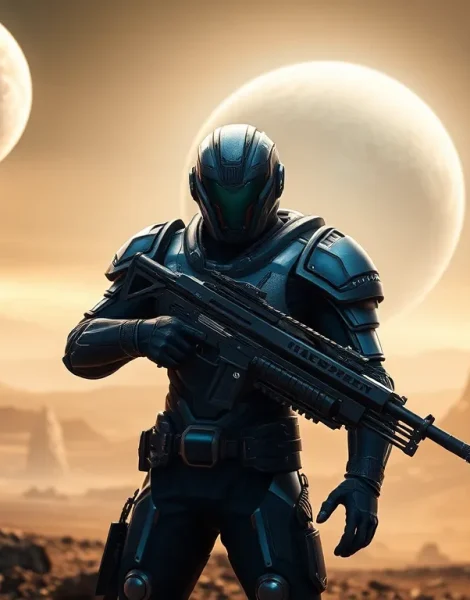
Destiny 2 is a free-to-play online shooter developed by Bungie. The game combines first-person shooting with role-playing elements and multiplayer action. Players explore planets, fight alien enemies, and collect powerful gear. Since its 2017 launch, Destiny 2 has attracted millions of players worldwide. The game receives regular updates, seasonal content, and major expansions. This guide covers everything players need to know about Destiny 2, from core mechanics to whether it’s worth playing in 2025.
Table of Contents
ToggleKey Takeaways
- Destiny 2 is a free-to-play online shooter by Bungie that combines first-person action with RPG elements and multiplayer content.
- Players choose from three Guardian classes—Titan, Hunter, or Warlock—each offering unique abilities and playstyles to customize.
- The game features diverse activities including Strikes, Raids, Dungeons, and PvP modes in the Crucible to suit solo and team players.
- Destiny 2’s loot system drives long-term engagement as players chase “god roll” weapons with perfect perk combinations.
- New players can try the free tier to experience core gameplay, while paid expansions and seasons unlock additional campaigns and content.
- The game remains worth playing in 2025 thanks to regular updates, satisfying gunplay, and an active, helpful community.
The Core Gameplay Experience
Destiny 2 delivers fast-paced first-person shooter action with deep RPG systems. Players control Guardians, warriors resurrected by a mysterious entity called the Traveler. These Guardians wield supernatural powers and advanced weapons to defend humanity.
The shooting mechanics feel tight and responsive. Bungie built Halo, and that expertise shows in Destiny 2’s gunplay. Every weapon type, from hand cannons to rocket launchers, has distinct handling and feedback. Players feel the impact of each shot.
Loot drives much of the Destiny 2 experience. Enemies drop weapons and armor with random stat rolls and perks. Players chase “god rolls”, items with perfect perk combinations. This loot chase keeps players engaged for hundreds of hours.
Destiny 2 features a shared-world structure. Players see other Guardians in social spaces and patrol zones. They can team up for activities or simply wave as they pass. This creates a living universe that feels populated and active.
The game also includes a substantial story campaign. Players follow narrative arcs involving alien threats, ancient mysteries, and the Light versus Darkness conflict. Cutscenes, voice acting, and in-game dialogue deliver the story across multiple expansions.
Game Modes and Activities
Destiny 2 offers diverse activities for different playstyles. The game caters to solo players, small fireteams, and competitive PvP enthusiasts.
PvE Content
Strikes are three-player missions with unique bosses and mechanics. They take 15-20 minutes and offer solid rewards. Nightfall Strikes add modifiers and higher difficulty for better loot.
Raids represent Destiny 2’s pinnacle PvE content. These six-player activities feature complex mechanics, communication challenges, and exclusive rewards. Raids like “Vault of Glass” and “King’s Fall” are considered gaming masterpieces by many players.
Dungeons bridge the gap between strikes and raids. Three-player teams tackle these challenging activities that include raid-like mechanics. They’re perfect for players who want difficulty without needing six teammates.
PvP Content
The Crucible hosts Destiny 2’s competitive multiplayer. Modes include Control (capture points), Clash (team deathmatch), and Trials of Osiris (elimination with unique rewards). PvP uses the same weapons and abilities from PvE, creating a unified progression system.
Seasonal Activities
Each season introduces new activities tied to the current storyline. These rotate quarterly and keep the content fresh. Seasonal challenges provide goals and rewards throughout each three-month period.
Classes and Character Customization
Destiny 2 features three Guardian classes. Each class offers unique abilities, supers, and playstyles.
Titans serve as the tank class. They deploy shields, shoulder charge enemies, and use fists as weapons. Titan supers include flaming hammers, electric ground pounds, and protective bubbles.
Hunters focus on agility and precision. They dodge attacks, go invisible, and deal massive single-target damage. Hunter supers feature golden guns, arc staffs, and void bows.
Warlocks harness elemental magic. They heal allies, float through the air, and cast devastating area attacks. Warlock supers include solar swords, void bombs, and chain lightning.
Each class accesses multiple subclasses tied to different elements: Solar, Arc, Void, Strand, and Stasis. Players unlock aspects and fragments to customize their builds. This system allows deep theorycrafting and build optimization.
Armor in Destiny 2 affects both stats and appearance. Players modify armor with mods that change abilities and cooldowns. The transmog system lets players apply any unlocked armor appearance to their current gear. Fashion, called “fashion game” by the community, matters to many Guardians.
Free-to-Play Model and Expansions
Destiny 2 uses a free-to-play model with paid expansions. New players access substantial content without spending money.
The free tier includes:
- Core playlists (Strikes, Crucible, Gambit)
- Patrol zones and public events
- Some story missions and activities
- Basic gear and progression systems
Paid expansions add major content drops. Recent expansions include The Witch Queen, Lightfall, and The Final Shape. Each expansion introduces new campaigns, locations, raids, and gear. Expansions typically cost $40-50 at launch.
Seasonal content requires the Season Pass or the Annual Pass. Each season costs around $10 individually. Seasons add story content, activities, weapons, and cosmetics over three months.
Bungie also operates an Eververse store. This shop sells cosmetic items like shaders, ornaments, emotes, and ships. Cosmetics don’t affect gameplay, they’re purely visual. Players earn some Eververse items through gameplay: others require real money.
The monetization model has critics. Some players feel the cost adds up quickly. Others appreciate that core gameplay remains free. Bungie continues adjusting this balance based on community feedback.
Is Destiny 2 Worth Playing in 2025?
Destiny 2 remains active and relevant in 2025. The game continues receiving updates, and the player base stays healthy.
New players face a learning curve. Destiny 2 has accumulated years of systems, currencies, and mechanics. The new player experience improved recently, but understanding everything takes time. Veteran friends or online guides help significantly.
The gunplay holds up exceptionally well. Few shooters match Bungie’s weapon feel and feedback. Players who enjoy satisfying combat find Destiny 2 delivers consistently.
Content variety suits different schedules. Casual players enjoy weekly rituals and seasonal stories. Hardcore players grind raids, farm god rolls, and chase titles. The game scales to available time.
But, Destiny 2 isn’t for everyone. Players who dislike grinding may bounce off quickly. Solo-only players miss some content designed for teams. Those wanting a complete story from the start will find gaps due to vaulted content.
The community remains passionate and helpful. LFG (looking for group) tools connect players for activities. Subreddits, Discord servers, and YouTube channels provide endless guides and discussions.
For players curious about Destiny 2, the free tier offers a genuine test. Download it, play some strikes, try the Crucible, and see if the loop clicks. Many players find that Destiny 2 becomes their primary game for years.


