
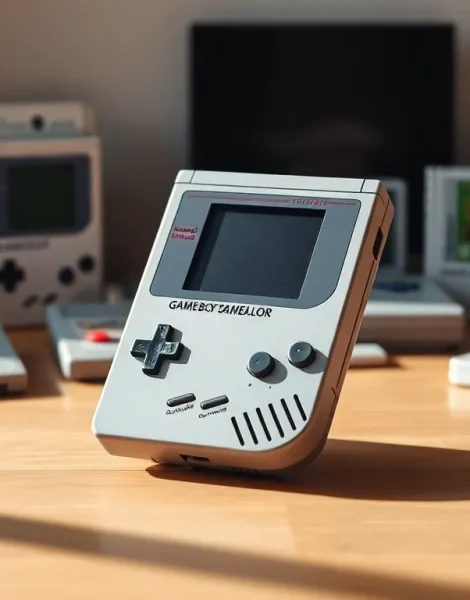
This game boy guide covers everything collectors and retro gaming fans need to know about Nintendo’s legendary handheld console. The Game Boy launched in 1989 and sold over 118 million units worldwide. It defined portable gaming for an entire generation. Whether someone wants to start collecting or simply relive childhood memories, this guide breaks down the history, models, must-play games, and practical buying tips for the Game Boy.
Table of Contents
ToggleKey Takeaways
- This Game Boy guide covers the history, models, must-play games, and buying tips for Nintendo’s iconic handheld that sold over 118 million units.
- The original Game Boy’s impressive 15-hour battery life helped it outlast color-screen competitors like the Sega Game Gear and Atari Lynx.
- Key models include the Original DMG-01, Game Boy Pocket, Game Boy Color, and Game Boy Advance—all maintaining backward compatibility.
- Essential games for collectors include Tetris, Pokémon Red and Blue, The Legend of Zelda: Link’s Awakening, and Super Mario Land 2.
- When buying a Game Boy today, test all buttons, check for screen damage, and inspect battery contacts for corrosion before purchasing.
- Working original Game Boy units sell for $40–$80, while backlit IPS screen modifications can transform units into modern-feeling handhelds for $150–$250.
A Brief History of the Game Boy
Nintendo released the original Game Boy on April 21, 1989, in Japan. Gunpei Yokoi led the development team. The handheld featured a green-tinted monochrome screen, an 8-bit processor, and impressive battery life. Critics initially questioned the choice of a non-backlit, single-color display. Competitors like the Sega Game Gear and Atari Lynx offered color screens. But Nintendo made a smart trade-off.
The Game Boy ran for approximately 15 hours on four AA batteries. The Game Gear drained six batteries in about three hours. Parents appreciated the difference. Kids could play longer without constant battery replacements.
Tetris became the Game Boy’s killer app. Nintendo bundled the puzzle game with every console in North America and Europe. This decision proved brilliant. Tetris appealed to adults and children alike. It showed the Game Boy wasn’t just a toy, it was a genuine gaming platform.
By 1995, Nintendo had sold over 46 million Game Boy units. The handheld outlasted the Game Gear, Lynx, and every other portable competitor of its era. The Game Boy’s success established Nintendo as the dominant force in handheld gaming for decades.
Game Boy Models and Variations
Nintendo released several Game Boy models throughout the 1990s and early 2000s. Each version brought improvements while maintaining backward compatibility.
Original Game Boy (DMG-01)
The “Dot Matrix Game” launched in 1989. It weighed about half a pound and measured roughly six inches tall. The green-tinted screen displayed four shades of gray. Nintendo sold this model until 1996 in various color options, including the transparent “Play It Loud” editions.
Game Boy Pocket
Nintendo introduced the Game Boy Pocket in 1996. This model was 30% smaller than the original. It featured a sharper black-and-white screen and ran on just two AAA batteries. The slimmer design made it easier to carry. Many collectors consider this the best way to experience original Game Boy games.
Game Boy Light
Japan received an exclusive model in 1998, the Game Boy Light. It included a built-in backlight, solving the original’s biggest complaint. Nintendo only sold this version in Japan. Today, collectors pay premium prices for Game Boy Light units.
Game Boy Color
The Game Boy Color arrived in late 1998. It displayed 56 colors simultaneously from a palette of 32,000. The system played all original Game Boy cartridges plus new color-exclusive titles. Popular games like Pokémon Gold and Silver showcased the upgraded hardware. This model sold 49 million units.
Game Boy Advance
Nintendo launched the Game Boy Advance in 2001. This 32-bit system represented a major leap in power. It played Game Boy and Game Boy Color games through backward compatibility. The GBA library includes classics like Metroid Fusion, Advance Wars, and the Pokémon Ruby and Sapphire generation.
Essential Games Every Collector Should Play
The Game Boy library contains over 1,000 titles. These games represent the best the platform offers.
Tetris remains the definitive Game Boy experience. The puzzle gameplay holds up perfectly. Finding a copy is easy and affordable.
Pokémon Red and Blue launched a global phenomenon in 1996. These RPGs let players catch, train, and battle 151 creatures. The games still deliver dozens of hours of content.
The Legend of Zelda: Link’s Awakening proves handheld games can tell compelling stories. This 1993 adventure features clever dungeons and memorable characters. The 2019 Switch remake introduced it to new audiences.
Super Mario Land 2: 6 Golden Coins offers excellent platforming. It introduced Wario as a villain. The game features tight controls and creative level design.
Metroid II: Return of Samus brought the acclaimed series to portable hardware. The atmospheric exploration holds up well. Fans of the genre should experience this one.
Kirby’s Dream Land provides a great entry point for younger players. The short adventure features charming visuals and accessible difficulty.
For Game Boy Color owners, Pokémon Crystal and The Legend of Zelda: Oracle of Ages/Seasons showcase the hardware’s capabilities. Game Boy Advance collectors should prioritize Final Fantasy VI Advance, Castlevania: Aria of Sorrow, and Fire Emblem.
Tips for Buying and Maintaining a Game Boy Today
Finding a working Game Boy in 2025 requires some knowledge. Here’s what buyers should know.
Where to Buy
eBay offers the largest selection of Game Boy consoles and games. Local retro game stores provide hands-on inspection before purchase. Facebook Marketplace and thrift stores occasionally yield great deals. Always check seller ratings and return policies when buying online.
What to Look For
Test the power switch, buttons, and speaker before purchasing. Check the screen for dead pixels and scratches. Examine the cartridge slot for corrosion or debris. The battery contacts inside the compartment should appear clean, not corroded.
Game Boy cartridges with internal batteries (like Pokémon games) may need battery replacement. Original batteries from the 1990s often die, erasing save data. Replacement requires basic soldering skills or a trip to a local repair shop.
Maintenance Tips
Clean cartridge contacts with isopropyl alcohol and a cotton swab. Store games in protective cases away from direct sunlight. Replace worn rubber button pads to restore responsive controls. Third-party replacement parts are widely available.
Screen modifications have become popular. Backlit IPS screen kits transform original Game Boys into modern-feeling handhelds. These mods require soldering but dramatically improve the playing experience. Pre-modded units sell for $150 to $250 depending on the work done.
Price Expectations
Original Game Boy units in working condition sell for $40 to $80. Game Boy Pockets cost $50 to $90. Game Boy Colors range from $60 to $120. Prices vary based on condition, color, and included accessories. Special editions and Japanese exclusives command higher prices.